Optimal Timing for Reverse Osmosis Installations
Reverse osmosis system installations are most effective when performed during periods of stable water pressure and consistent water quality. Scheduling installation during seasons with moderate weather conditions can facilitate easier setup and reduce the risk of delays caused by extreme temperatures or weather events.
Installing during mild weather ensures easier access and reduces the risk of weather-related disruptions.
Choosing a time when water quality is stable helps ensure the system functions correctly from the start.
Off-peak seasons may offer more scheduling options and less wait time for installation appointments.
Aligning installation with planned maintenance periods can minimize downtime and operational disruptions.
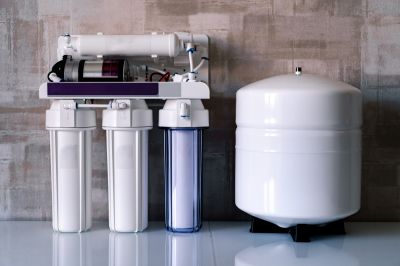
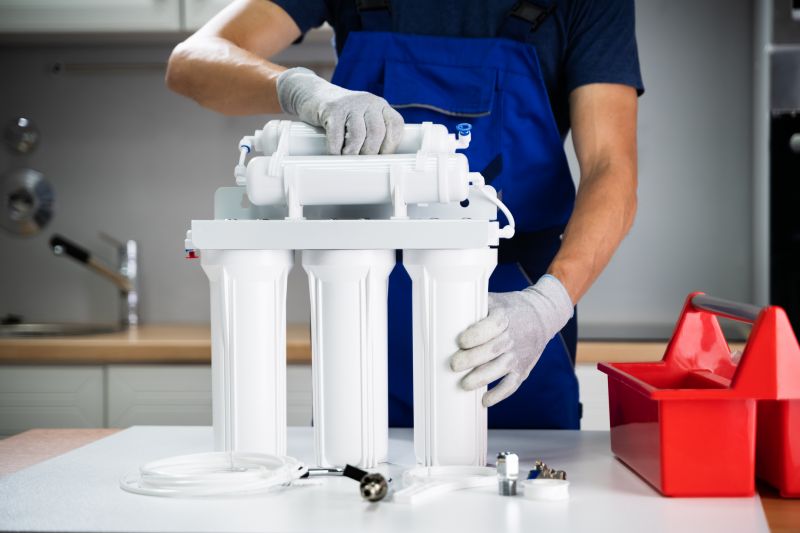
Technicians installing reverse osmosis systems in residential settings.
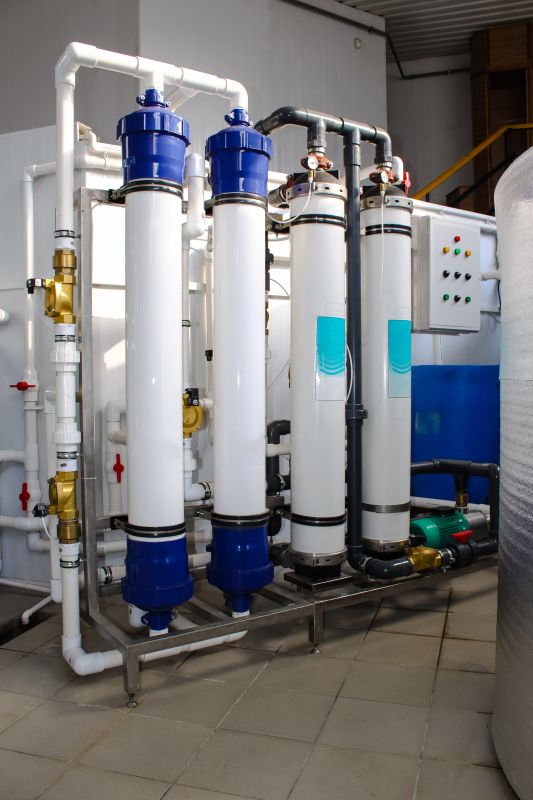
Close-up of system components being assembled.
Measuring water quality before and after installation.
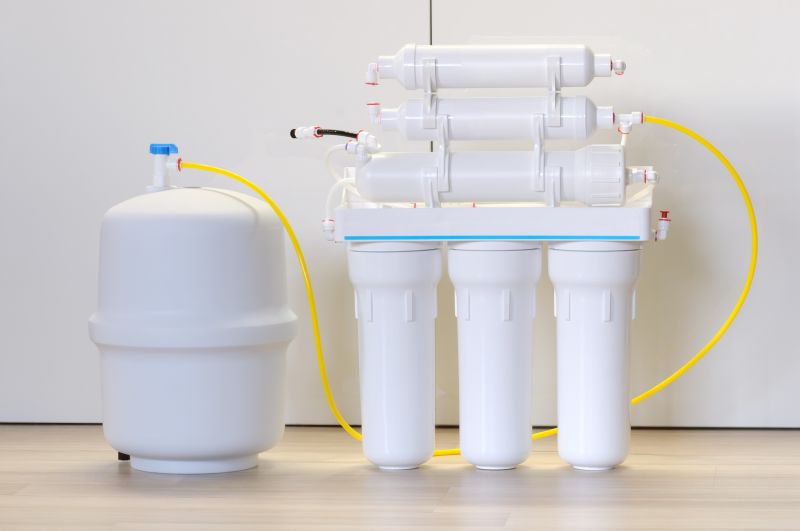
Ways to make Reverse Osmosis System Installations work in tight or awkward layouts.
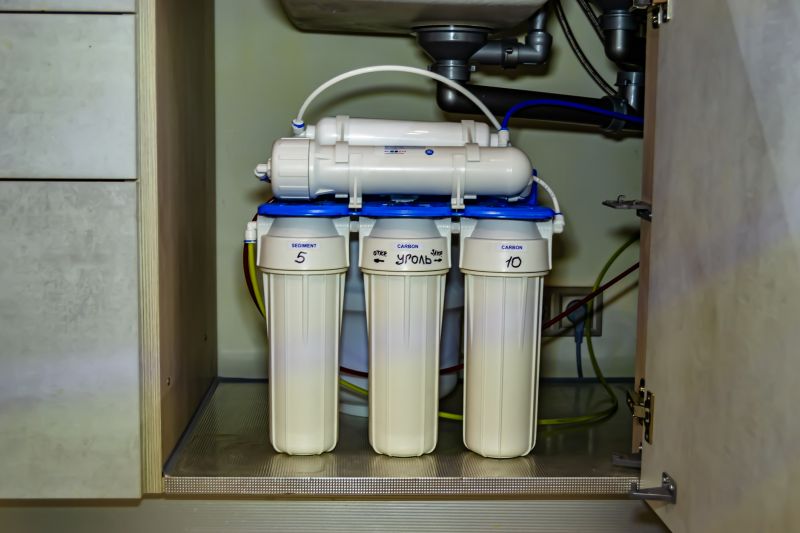
Popular materials for Reverse Osmosis System Installations and why they hold up over time.
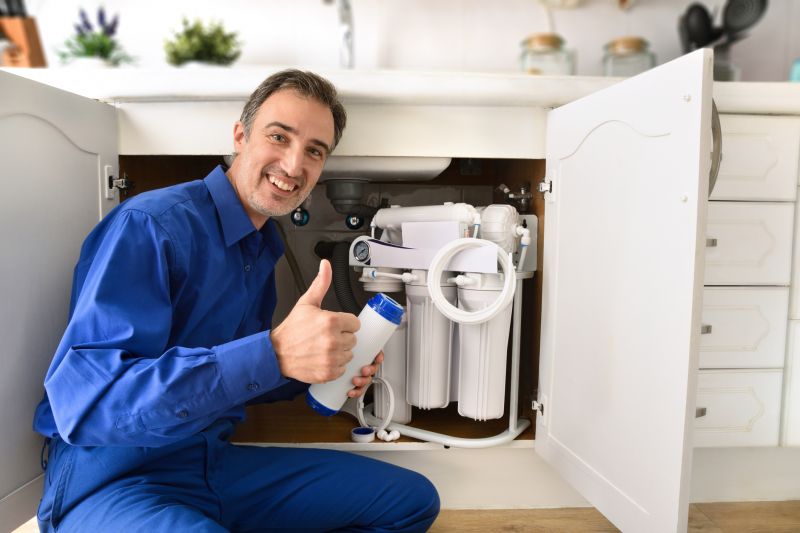
Simple add-ons that improve Reverse Osmosis System Installations without blowing the budget.
Reverse osmosis (RO) systems are a popular choice for improving water purity in residential and commercial settings. They utilize a semi-permeable membrane to remove contaminants, including dissolved solids, bacteria, and other impurities. Proper installation is critical to ensure optimal performance and longevity of the system. The process typically involves plumbing modifications, system setup, and initial testing to verify water quality improvements.
Statistics indicate that correctly installed RO systems can remove up to 99% of contaminants, making them highly effective for areas with questionable water quality. Additionally, timely installation can prevent system damage caused by inconsistent water conditions or improper setup, ultimately saving costs and ensuring consistent access to clean water.
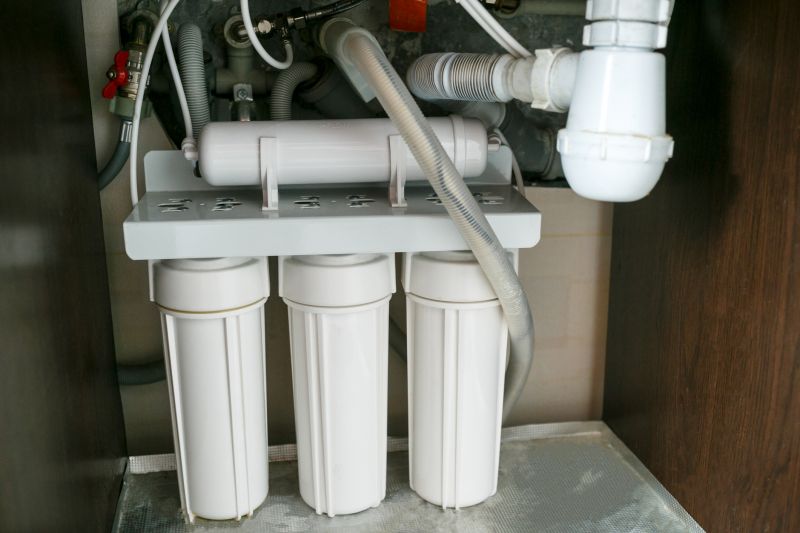
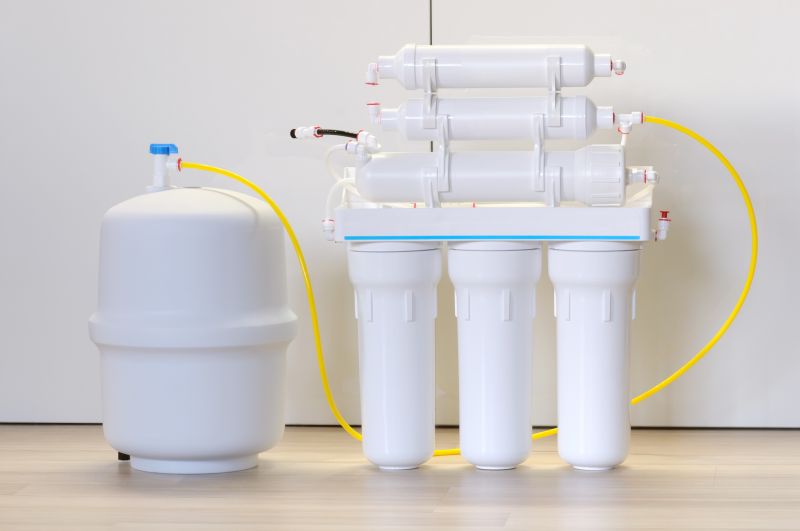
Various parts of a reverse osmosis system laid out for installation.
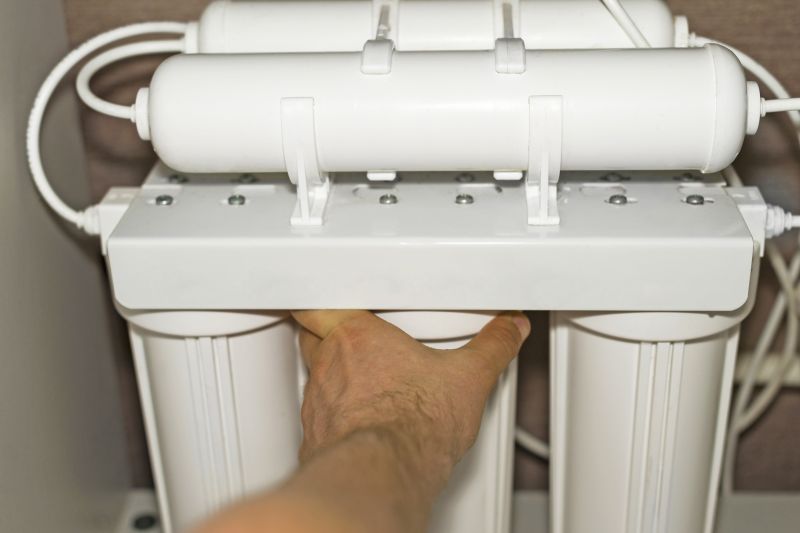
Diagram illustrating how water passes through the RO membrane.
Technician testing water quality after system setup.
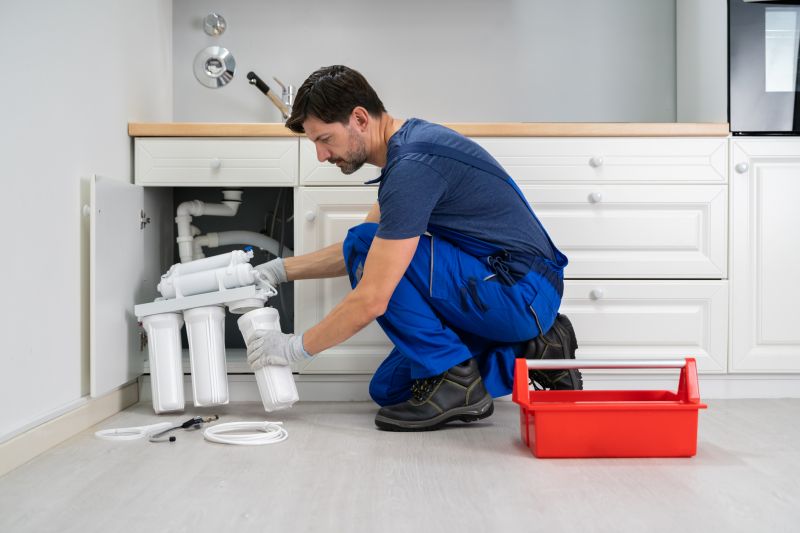
Ensuring all components are properly installed and functioning.
| Factor | Recommendation |
|---|---|
| Weather Conditions | Install during moderate weather to facilitate access and reduce delays. |
| Water Quality Stability | Schedule when water quality parameters are consistent. |
| Operational Downtime | Align with periods of low water demand to minimize disruptions. |
| Availability of Skilled Technicians | Plan when qualified installers are available. |
| Seasonal Water Usage | Avoid peak water usage seasons for easier installation. |
Considering these factors can help determine the most suitable time for reverse osmosis system installation, ensuring efficient setup and optimal system performance. Proper timing also minimizes potential complications, leading to a smoother installation process and reliable water purification.
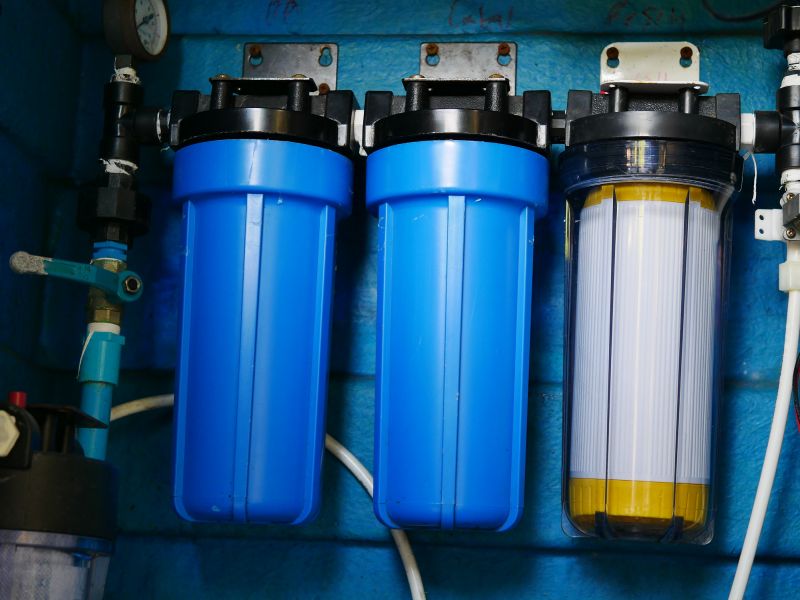
Technicians working on a residential water system.
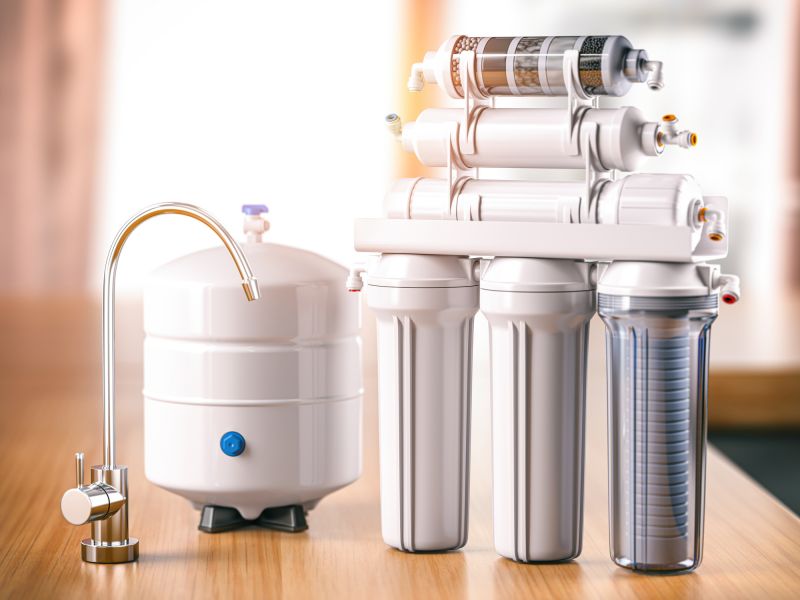
Assessing water purity post-installation.
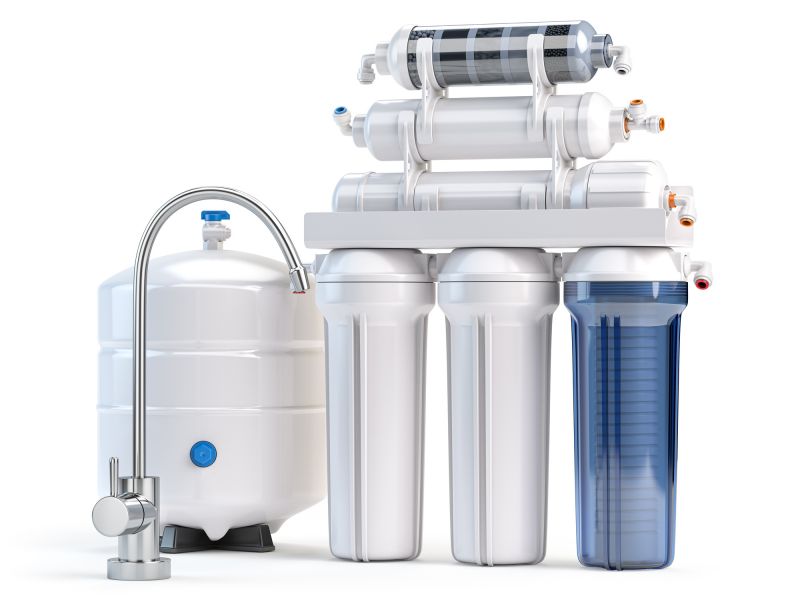
RO system running after successful setup.
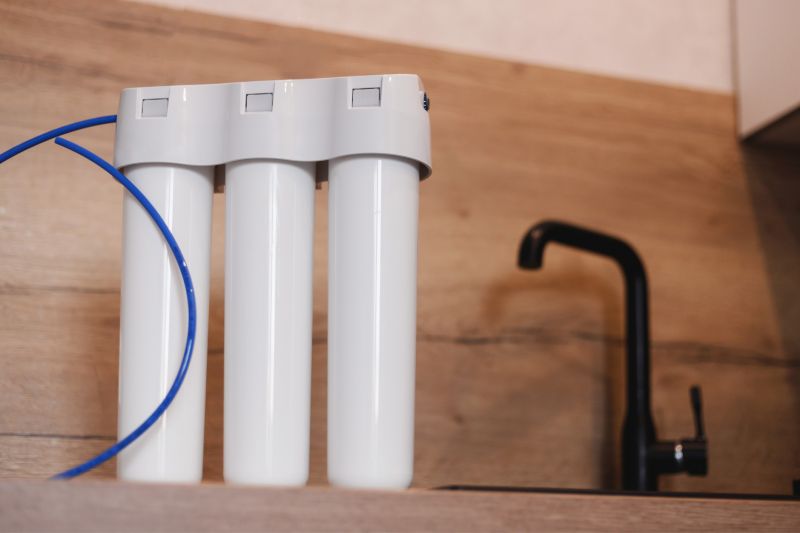
Homeowner inspecting their new water filtration system.
Interested in installing a reverse osmosis system? Filling out the contact form can provide access to professional guidance and scheduling options tailored to specific needs. Proper timing and installation ensure the system delivers high-quality water reliably and efficiently.